Acre Lane Brixton house removals for narrow access
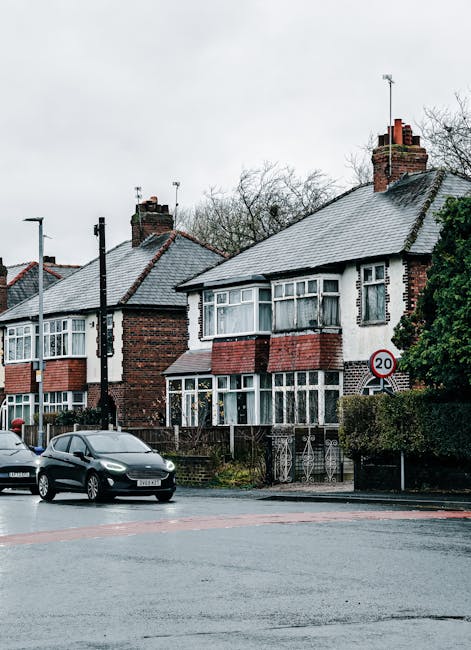
If you are planning a move on Acre Lane in Brixton, and the access outside your property is tight, awkward, or just plain annoying, you are not alone. Narrow streets, parked cars, shared entrances, steep steps, and those old Victorian layouts can turn a normal moving day into a bit of a puzzle. Acre Lane Brixton house removals for narrow access need more than muscle; they need good planning, the right vehicle, and a crew that understands how to work carefully without wasting time.
In this guide, we'll break down how narrow-access removals actually work, what to prepare before move day, where delays usually happen, and how to reduce stress without overcomplicating things. You'll also find a practical checklist, a comparison of moving methods, and a few real-world observations from the kind of streets where every extra metre matters. Let's face it, moving is stressful enough without trying to pivot a sofa round a tight corner at 8:15 on a wet Brixton morning.
Table of Contents
- Why Acre Lane Brixton house removals for narrow access Matters
- How Acre Lane Brixton house removals for narrow access Works
- Key Benefits and Practical Advantages
- Who This Is For and When It Makes Sense
- Step-by-Step Guidance
- Expert Tips for Better Results
- Common Mistakes to Avoid
- Tools, Resources and Recommendations
- Law, Compliance, Standards, or Best Practice
- Options, Methods, or Comparison Table
- Case Study or Real-World Example
- Practical Checklist
- Conclusion
- Frequently Asked Questions
Why Acre Lane Brixton house removals for narrow access Matters
Acre Lane is the kind of stretch where small planning mistakes become big moving-day problems. If the road is busy, the pavement is tight, or the only parking space is half a street away, the difference between a smooth move and a frustrating one is often access. Narrow access changes everything: vehicle size, lifting distance, loading time, and even the order in which you pack the van.
For house removals in this part of Brixton, the issue is rarely just the doorway. It might be a basement flat with steps, a top-floor conversion with a narrow stairwell, or a front garden wall that leaves almost no room to turn. You may also have to deal with neighbours, delivery vans, and the usual London traffic shuffle. That sounds obvious, but many people only realise it on the morning of the move.
Good narrow-access planning matters because it protects your belongings and your timetable. A safer lift route means less chance of scraped furniture, fewer strained backs, and less time spent standing about wondering why the wardrobe will not fit through a hallway that looked bigger in the photos. It also helps your movers choose the right set-up before they arrive, which is a huge help in a place like Brixton where every minute on the kerbside counts.
If you are still comparing broader moving support, it can be useful to look at home moves and house removals so you can see how the service sits within a full domestic move. For smaller or more flexible jobs, man and van or man with van options can also be relevant, depending on volume and access.
How Acre Lane Brixton house removals for narrow access Works
Narrow-access removals usually start before move day, not on it. A proper plan begins with a conversation about the property, the road layout, the lift route, and the type of furniture being moved. In practical terms, the mover is trying to answer a few basic questions: How close can the vehicle get? Can a larger van park safely? Do items need to be carried down stairs? Are there any turning restrictions, shared entrances, or time limits?
Once that information is clear, the job can be shaped around the access rather than against it. That may mean using a smaller removal van, splitting the load into multiple trips, protecting more items in advance, or sending a crew that is comfortable handling awkward pieces in tight spaces. To be fair, this is where experience matters. A team that has done enough London moves knows when to slow down and when to move briskly.
On the day itself, the process often looks like this:
- Vehicle arrives and parking position is assessed.
- Walk route from door to van is checked for hazards, low walls, steps, or uneven paving.
- Large items are moved first if access is clear, or last if they need extra route planning.
- Fragile furniture is wrapped and loaded carefully to avoid damage in tight turns.
- Loading is balanced to suit the journey and prevent shifting in transit.
That is the simple version. The real skill is in the judgement calls. For example, if the road outside Acre Lane is too tight for a bigger truck, a smaller moving van or removal van may be more efficient than trying to force a larger vehicle into a poor fit. Sometimes the best move is the one that looks slightly less dramatic, not the one with the biggest vehicle on the drive.
When packing is part of the job, it can help to combine the move with packing and unpacking services. That way, awkward items can be prepared more safely for the tight route out of the property.
Key Benefits and Practical Advantages
The biggest benefit of planning for narrow access is simple: fewer surprises. But there are several knock-on advantages that really matter when you are moving in a busy part of Brixton.
- Lower risk of damage: Tight hallways and uneven steps can be hard on corners, mirrors, wardrobe doors, and wall paint. Careful planning reduces that risk.
- Better time control: A crew that knows the access challenge can work in the right order instead of improvising under pressure.
- Less physical strain: Shorter lifts, smarter routing, and the right equipment make a real difference to safety.
- More suitable vehicle choice: A smaller vehicle may actually be the smart choice, especially where parking and turning are limited.
- Less disruption to neighbours: Good positioning and quicker loading reduce hassle on a street where everyone seems to be in a hurry.
There is also a quieter benefit that people often overlook: peace of mind. If you have ever moved with a "we'll just see how it goes" plan, you will know how fast that turns into stress. A narrow-access move that has been thought through properly feels calmer. You can hear the difference, honestly. Less shouting, less scraping, fewer rushed decisions at the door.
For some households, there is another practical upside. If the job is small enough, a more agile service such as man and van removals can suit tighter streets and lighter loads better than a bigger operation. It is not about cutting corners. It is about matching the tool to the job.
Who This Is For and When It Makes Sense
This kind of removal is a strong fit for anyone living or moving near narrow roads, restricted parking areas, or older Brixton properties with awkward access. In practice, that often includes:
- households in terraced homes with limited frontage
- basement or split-level flats with stairs and tight corridors
- people moving bulky furniture out of compact properties
- families moving on busy weekdays when road space is limited
- renters who need a smaller, faster load plan
It also makes sense when you want to minimise disruption. Some moves are not huge, but they still need proper handling because the access is the main issue. A small flat with a narrow staircase can take longer than a bigger place with easier parking. Strange but true.
If you are weighing up whether a standard house move or a lighter service is the better fit, you may find it useful to compare house movers, house removalists, and removal services. That helps you judge whether you need a fully managed move or a more flexible setup with a smaller vehicle.
It can also make sense for customers who are not moving an entire home but still need help shifting a sofa, bed, or dining table through a difficult entrance. In that case, furniture pick up may be a more practical route than booking a larger domestic move.
Step-by-Step Guidance
Below is a straightforward way to prepare for a narrow-access house move on or near Acre Lane. It is not fancy. It just works.
- Measure the problem areas. Check doorway widths, stair turns, hallway bottlenecks, and anything that could snag a mattress or cabinet. If a piece is tall, measure height as well as width. People forget that bit, then wonder why the chest of drawers has become a geometry lesson.
- Photograph the access. Send pictures of the front entrance, street parking, stairs, and any internal tight spots. A few clear photos can save a lot of back-and-forth.
- List bulky items separately. Flag anything awkward: sofas, wardrobes, white goods, headboards, mirrors, bookcases, office chairs, and anything with glass.
- Decide what should be dismantled. Beds, tables, and some shelving units are much easier to move in pieces. Don't wait until the van is outside to make that call.
- Choose the right vehicle size. In a tight street, a compact van can be more effective than a larger truck that cannot park sensibly.
- Plan the loading order. Heavy, sturdy items usually go in first. Fragile or frequently needed items should be easy to reach.
- Protect walls and floors. Use covers, blankets, and careful cornering to reduce scuffs where the route is especially tight.
- Confirm timing and parking arrangements. If the road is busiest at certain times, the move may need a smarter start time.
There is a good reason this process starts early. Once the van door is open and the first awkward item is halfway through the hallway, you do not want to be debating the plan. That is the moment to simply follow the plan.
Expert Tips for Better Results
Here are the tips that usually make the biggest difference in narrow-access removals. Not all of them are dramatic, but the small things add up.
1. Keep the route as clear as possible
Move shoes, baskets, loose rugs, and bins out of the way before the team arrives. Even one stray object in a narrow hallway can slow everything down. It sounds minor, and then the mover trips over it and suddenly it is not minor at all.
2. Use soft packing where possible
Items wrapped in blankets, covers, or padded materials are much easier to manoeuvre through tight corners without leaving marks. This matters more than people expect.
3. Break down furniture in advance
If you can remove legs, shelves, drawers, or bed frames before move day, do it. The item may not become lighter, but it becomes a lot easier to handle.
4. Be realistic about parking
A van parked "sort of nearby" is not the same as a van parked well. In a narrow street, a poor parking choice can add multiple extra carries, which costs time and energy.
5. Tell the crew about awkward angles
That banister that catches on tall furniture? Mention it. The awkward lip at the front step? Mention it. The more specific you are, the more likely the movers can avoid the classic "we'll see when we get there" problem.
If you want a more hands-on approach for tight spaces, it may be worth looking at man with a van or man with van removal styles of service, especially where the move is small, local, and access-sensitive. For larger loads, a broader removal company can be the better option because it gives you more lifting support and logistics flexibility.
Common Mistakes to Avoid
Most narrow-access problems are preventable. The trouble is, people tend to underestimate them because the property looks manageable on first glance. Then the day arrives, and the stairs look steeper somehow. Funny how that happens.
- Booking the wrong vehicle size: Bigger is not always better in Brixton streets with limited space.
- Not measuring furniture: A sofa that fits in your living room may still refuse to leave the flat without rotation or dismantling.
- Forgetting the turning space: Doorway width is only half the problem. Stair turns and hallway corners matter just as much.
- Leaving packing too late: Tight-access moves need organised packing because there is less room for delay.
- Ignoring parking reality: A move can be perfectly planned on paper and still go wrong if the vehicle cannot stop safely.
- Assuming every item can be carried upright: Sometimes furniture needs to be tilted, rotated, or split down into parts.
Another common mistake is trying to speed through the route inside the house. That can feel efficient in the moment, but in narrow properties, speed without control usually leads to knocks, scrapes, and a bit of regret afterwards. Better to be steady and accurate.
Tools, Resources and Recommendations
You do not need a garage full of specialist equipment to make a narrow-access move work, but a few useful items can help a lot.
- Furniture blankets and wraps: useful for protecting corners, painted surfaces, and polished wood.
- Straps and ties: help keep items stable while carrying and loading.
- Tools for dismantling furniture: basic screwdrivers, hex keys, and a small labelled bag for screws and fittings.
- Floor protection: good for protecting floors in hallways, especially on wet days when the street brings in grit.
- Clear labels: especially helpful if the move includes multiple rooms or storage items.
For people who want a well-rounded move, a service that combines handling, loading, transport, and optional packing can be worth considering. If the move includes particularly difficult access, you may want to compare removals with removals near me and removals van options to judge how local support and vehicle type fit the job. That kind of comparison is boring for about thirty seconds, then suddenly very useful.
For wider support around household moving, the pages on movers and moving truck can also help you understand the scale of service you actually need.
Law, Compliance, Standards, or Best Practice
For a house removal in London, especially one involving narrow access, the main compliance concerns usually sit around safety, vehicle use, handling, parking awareness, and care for property. The exact requirements depend on the move and location, so it is best to treat compliance as a practical checklist rather than a one-line answer.
In normal UK practice, removal teams are expected to work safely, handle goods with reasonable care, and avoid creating unnecessary risk to people or property. That means checking access in advance where possible, choosing a suitable vehicle, and making sure the loading route is safe enough for everyone involved. Good movers also tend to keep insurance and safety considerations front and centre, because accidents in tight spaces are more likely when the job is rushed.
If you are comparing providers, it is sensible to look at public information such as health and safety policy, insurance and safety, and terms and conditions. That gives you a clearer sense of how a company approaches risk, liability, and service limits. You do not need a law degree for this, thankfully. Just a steady eye for detail.
It is also wise to understand how pricing is presented. Narrow access may affect labour time, vehicle size, or the number of trips, so the quote should reflect the realities of the property rather than a generic "one size fits all" estimate. If you are unsure, the pricing and quotes page can help set expectations before you commit.
Options, Methods, or Comparison Table
Different moving methods suit different levels of access. Here is a simple comparison to help you decide.
| Option | Best for | Strengths | Watch-outs |
|---|---|---|---|
| House removals | Full home moves with mixed furniture and boxes | Structured, practical, suited to larger domestic jobs | Needs good access planning in tight streets |
| Man and van | Smaller loads, short distances, awkward access | Flexible, often easier in narrow roads | May not suit very large or complex moves |
| Removal van | Moves needing a compact vehicle and efficient loading | Helpful where parking and turning space are limited | Less capacity than a larger removal truck |
| Removal truck hire | Moves with more volume and more open access | Good for bigger load capacity | Can be a poor fit if the road is too tight |
In narrow-access Brixton moves, the best option is often the one that reduces walking distance from door to vehicle, not the one with the biggest loading bay. It is a small distinction, but a very real one when the pavement is narrow and the street is already busy with parked cars.
Case Study or Real-World Example
Picture a typical move near Acre Lane: a two-bedroom flat above a shop, a narrow stairwell, and a street with tight parking. The customer has a sofa, bed frames, a dining table, several boxes of books, and a couple of fragile mirrors. At first glance, everything seems manageable. Then you look at the stairs and realise the sofa will need to be turned halfway through the landing. Classic.
In a situation like that, the move works best when the plan changes before the team arrives. The sofa gets measured, the bed is dismantled, mirrors are wrapped in advance, and the loading route is cleared. A smaller vehicle is used so parking is easier and the loading point sits as close as possible to the entrance. The crew moves steadily, without rushing the awkward bits, and the customer does not spend the afternoon worrying about chipped paint or a damaged frame.
The useful lesson here is not that narrow-access moves are complicated. They are just unforgiving of poor planning. Once the access route is understood, the job becomes very manageable. The stress usually comes from guessing rather than measuring.
Practical Checklist
Use this checklist before move day. It keeps things grounded.
- Measure doors, stairs, hallways, and furniture
- Take photos of the route out of the property
- Confirm parking space and loading access
- List bulky, fragile, and awkward items separately
- Dismantle furniture where practical
- Pack boxes securely and label them clearly
- Protect floors, corners, and furniture edges
- Choose a vehicle suited to the street and load size
- Keep essentials easy to reach for the first night
- Review safety, insurance, and service terms before booking
Quick expert summary: if the access is tight, treat the move like a logistics job first and a lifting job second. Measure, photograph, label, and choose the right vehicle. That simple shift in mindset usually saves time, money, and a lot of hassle.
Conclusion
Acre Lane Brixton house removals for narrow access are all about matching the move to the real conditions outside the property, not the ideal version in your head. Once you understand the access route, the size of the load, and the vehicle that makes sense, the rest becomes much easier. You do not need a dramatic solution. You need a sensible one.
The homes around Brixton often come with character, and character usually means quirks: tight stairs, awkward angles, and road space that disappears just when you need it. But with good planning, a calm approach, and the right moving setup, those quirks are manageable. Truth be told, that is what separates a stressful move from a decent one.
If you are ready to plan your move properly, explore the service details that fit your situation, compare options, and book with confidence rather than guesswork.
Get a free quote today and see how much you can save.
And if you are moving from a place that seems to have been designed by someone with a love of narrow staircases, take a breath. It can be done, and it can be done well.
Frequently Asked Questions
What makes Acre Lane Brixton house removals for narrow access different from a normal move?
The main difference is access. Narrow roads, tight parking, small doorways, awkward stair turns, and limited loading space all affect how the move is planned. The furniture may be the same, but the logistics are not.
Do I need a smaller van for a narrow-access move?
Often, yes. A smaller or more agile vehicle can be much easier to park close to the property and may reduce the distance items need to be carried. That can be more efficient than forcing a larger truck into a tight street.
How do I know if my furniture will fit through the stairs or hallway?
Measure the widest and tallest points of your furniture and compare them with the narrowest points in the route. Take into account corners, turns, bannisters, and any overhead obstacles. Photos help a lot too.
Can removals still work if parking is very limited?
Usually yes, but the plan needs to account for it. The team may need a smaller vehicle, a different arrival time, or a loading route that reduces carry distance. Parking reality matters more than people think.
Should I dismantle furniture before the movers arrive?
If it is safe to do so, dismantling beds, tables, or shelving in advance can make a huge difference. It often turns an awkward lift into a straightforward one. Just keep all fixings clearly labelled.
What if my property has a very narrow staircase?
That is exactly the kind of detail that should be flagged early. A narrow staircase may affect the order of loading, the level of protection needed, and whether certain furniture should be moved in parts.
Is a man and van service suitable for narrow access?
It can be, especially for smaller loads or more flexible moves. Services such as man and van removals are often a good fit where space is limited and the move does not require a large truck.
How far in advance should I book?
As early as you can, especially if your move involves awkward access or a busy London street. Early booking gives time to assess the property and choose the right vehicle and packing plan.
Will narrow access make my move more expensive?
It can, depending on the time needed, the vehicle required, and how much manual handling is involved. The best way to avoid surprises is to give a clear description of the access and ask for a quote that reflects the actual conditions.
What should I send when requesting a quote?
Give the full address, the number of rooms, a list of bulky items, photos of the entrance and stairs, and any parking issues you already know about. That gives the mover a much better basis for pricing and planning.
Can you help with packing as well as moving?
Yes, and in narrow-access moves it can be a very smart choice. A well-packed item is easier to carry, less likely to snag, and generally safer to move through tight spaces.
What should I do on the morning of the move?
Clear the route, keep essentials together, answer any final questions from the crew, and stay available for quick decisions. A calm start usually sets the tone for the whole day.